
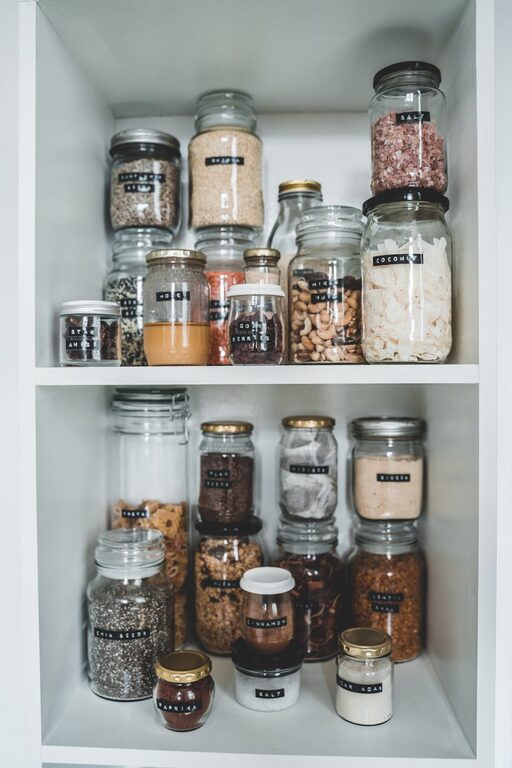
Keeping your fridge and pantry tidy not only makes your kitchen look great but also helps reduce food waste and saves you time when cooking. An organized storage space lets you find what you need quickly, so meals come together without frustration. If you’ve ever opened your fridge only to find mystery containers or expired products, this guide is for you!
Why Keeping Your Fridge and Pantry Organized Matters
A cluttered fridge or pantry can lead to forgotten purchases, food spoilage, and unnecessary trips to the store. When your storage areas are neat and systematic, it’s easier to spot what you have, plan meals effectively, and maintain a clean environment that supports good food safety practices.
Getting Started: Clear Out and Clean Up
Step 1: Empty Everything Out
Begin by removing all items from your fridge and pantry. This lets you see what you have and identify anything expired, spoiled, or unwanted. Use this opportunity to wipe down shelves and drawers with a mild cleaner or a mixture of water and vinegar.
Step 2: Sort and Categorize
Group items into categories, such as dairy, meats, fruits, vegetables, canned goods, snacks, and baking supplies. Sorting helps determine how much space each group needs and where to place them for easy access.
Tips for Keeping Your Fridge Tidy
Use Clear Storage Containers
Invest in clear bins or containers to keep similar items together. For instance, all cheese products can go in one container, while condiments stay in another. Clear containers help you easily see what’s inside and reduce clutter.
Label Shelves and Containers
Labels don’t just look tidy—they make it easier for everyone in the household to put things back in the right places. Use simple labels such as “Dairy,” “Vegetables,” or “Leftovers.”
Store Foods Properly
– Top shelves: Ready-to-eat foods like leftovers, drinks, and snacks
– Middle shelves: Dairy products like milk, cheese, and yogurt
– Bottom shelves: Raw meats or fish (in sealed containers to avoid drips)
– Drawers: Use for fruits and vegetables separately since they often require different humidity levels
Follow the FIFO Rule (First In, First Out)
Place newer items at the back and older ones in front so you use up older food before it expires. This simple habit greatly reduces food waste.
Organizing Your Pantry for Success
Group Items by Type and Frequency of Use
Keep everyday essentials like pasta, rice, and canned goods within easy reach. Less frequently used specialty items can be stored higher up or in more tucked-away spots.
Use Airtight Containers
Transfer items like flour, sugar, cereals, and snacks into airtight containers. These containers keep food fresh longer and protect against pests while creating a uniform look.
Use Shelf Risers and Baskets
Maximize vertical space with risers, which allow you to stack canned goods or spices without losing visibility. Baskets work well for grouping smaller items like snack packets or baking supplies.
Keep a Dedicated Snack Zone
If you have kids or enjoy snacking, create a specific section for snack items. This prevents them from getting lost around the pantry and makes it easier to track when you need to restock.
Maintaining an Organized Fridge and Pantry
Weekly Quick Checks
Take a minute each week to scan your fridge and pantry for any expired items or spills. Wiping up early prevents stains and odor build-up.
Plan Your Shopping List
Before heading to the store, review what’s in your fridge and pantry. This reduces the chance of buying duplicate products and ensures you use what you already have.
Clean Spills Immediately
Whether it’s a leaking bottle or crumbs, clean any mess right away. Spills can make your storage look messy and attract pests.
Rotate Stock Regularly
Keep rotating your food supply based on expiration dates and consumption patterns. A well-rotated pantry and fridge save money and keep food fresh.
Bonus Tips for Special Items
Leftovers
Store leftovers in clear, labeled containers with the date on them. Use these within 3-4 days to ensure freshness.
Bread and Bakery Items
Keep bread in a sealed container or breadbox to prevent it from drying out or molding quickly.
Herbs and Fresh Produce
Store herbs in a glass of water or wrap them in damp paper towels inside the fridge to extend their life.
Conclusion
Keeping your fridge and pantry tidy doesn’t have to be overwhelming. With a little time, some containers, and a simple system, you can create an organized space that makes cooking and meal preparation easier and more enjoyable. Regular maintenance keeps your kitchen fresh, reduces waste, and ensures you always know what’s on hand.
Try these tips today and watch your kitchen transform into a more efficient and inviting place!
